How Low-Dose CT Scans Help Detect Lung Cancer Early
Lung cancer can develop without noticeable symptoms. By the time persistent coughing, chest pain, or difficulty breathing occurs, the disease may already be advanced.
So, can lung cancer be detected before symptoms appear? Yes. For people who meet recommended screening criteria, a low-dose CT scan can identify suspicious lung nodules and other abnormalities before symptoms develop.
What Is a Low-Dose CT Scan for Lung Cancer?
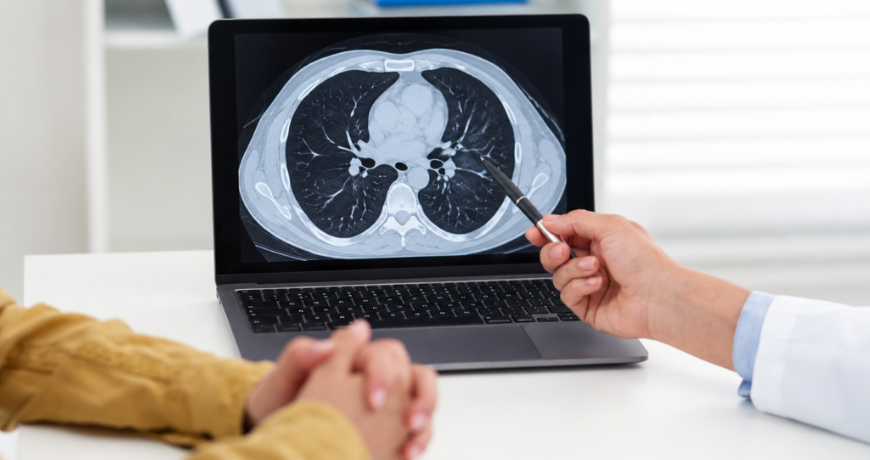
A low-dose chest CT scan uses less radiation than a standard chest CT scan to produce detailed images of the lungs. Unlike a regular chest X-ray, it can detect smaller lung nodules that may otherwise go unnoticed. Not all nodules are cancerous, however, and further evaluation may be needed if one is found.
The procedure is quick and painless. You will lie on a table that moves through the scanner and may be asked to hold your breath briefly. It generally requires no injections, and you can return to your normal activities afterward.
Why Is Early Detection of Lung Cancer Important?
When lung cancer is found earlier, more treatment options may be available. Major clinical trials have shown that screening eligible, high-risk individuals with low-dose CT can reduce deaths from lung cancer compared with screening using chest X-rays.
Screening is intended for people who meet specific risk criteria. If you already have symptoms such as a persistent cough, coughing up blood, unexplained weight loss, or persistent chest pain, consult a doctor promptly. You may need diagnostic tests rather than routine screening.
Who Should Consider Lung Cancer Screening?
Eligibility depends on your age, smoking history, overall health, and other risk factors. Talk to a pulmonologist if you:
-
Currently smoke or previously smoked, particularly with a significant smoking history.
-
Have a family history of lung cancer.
-
Have a chronic lung condition, such as chronic obstructive pulmonary disease (COPD).
-
Have a history of occupational exposure to substances associated with lung cancer, such as asbestos.
These factors help inform your risk assessment, but they do not automatically mean you qualify for routine screening. A pulmonologist can review your medical history and recommend the best next steps.
Why Choose St. Luke’s Medical Center for Your Lung Health?
At St. Luke’s Medical Center - Quezon City, patients can consult with pulmonologists to assess their risk of lung cancer and determine whether a low-dose chest CT scan is appropriate. Expert radiologists interpret the imaging, and a St. Luke’s pulmonologist can then explain the findings and guide you through follow-up, whether that means monitoring, additional imaging, or further testing.
You do not have to wait for symptoms to start a conversation about your lung health. The earlier you know, the better you can plan your next steps.
Book a consultation with a St. Luke’s pulmonologist today. Contact St. Luke’s Medical Center at:
Landline: (+632) 8723-0101
Email: productinfo@stlukes.com.ph
Address: 279 E. Rodriguez Sr. Ave., Quezon City, 1112 Metro Manila


