Don’t Ignore That Cough: A World Pneumonia Day Reminder from St. Luke’s
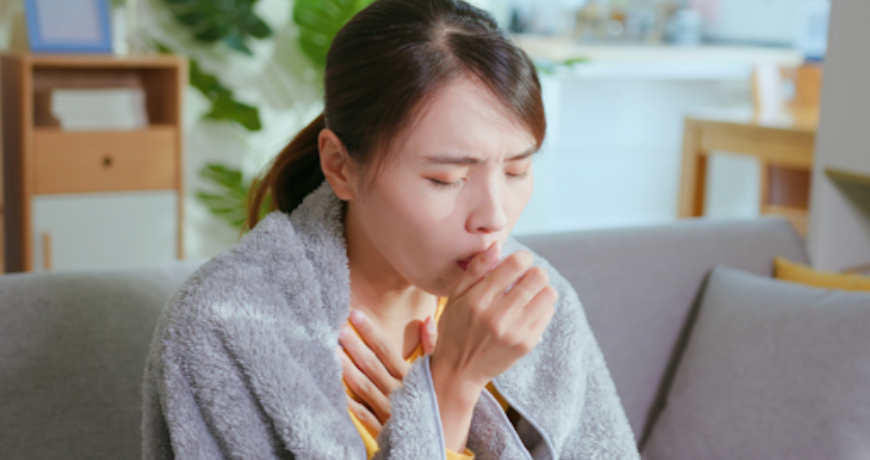
“Baka sipon lang.” (It’s probably just a cold.)
Many cases of pneumonia start with that single sentence. Someone coughs through the weekend, takes paracetamol, and goes to work on Monday anyway. Lola sleeps more than usual, and the family assumes it is just the rainy weather. A toddler feels warm, acts cranky, and breathes slightly faster than the day before, so his mother decides to wait until morning.
None of this is carelessness. These are the choices busy, loving families make. However, pneumonia takes advantage of such moments.
What Is Pneumonia?
Pneumonia is an infection that inflames the air sacs in one or both lungs. When these sacs fill with fluid or pus, oxygen has a harder time entering the bloodstream. Bacteria, viruses, or fungi can cause pneumonia.
Watch for symptoms beyond an ordinary cough:
-
Persistent phlegm that refuses to clear
-
High fever, sweating, and shaking chills
-
Sharp pain in the chest when you breathe in or cough
-
Shortness of breath during routine activities, such as climbing stairs
Symptoms Differ by Age
Pneumonia does not look the same in everyone. In older adults, fever may be mild or completely absent, and warning signs can include sudden confusion, loss of appetite, or general disorientation. In infants and toddlers, it is important to watch the chest rather than just the thermometer; look for chest retractions (skin sucking in between the ribs), difficulty feeding, or lethargy.
Who Is at Risk?
Anyone can develop lung infections, but complications are far more likely in infants, adults over 65, and those with chronic conditions such as asthma, COPD (Chronic Obstructive Pulmonary Disease), diabetes, or heart disease. Smoking greatly increases the risk as well.
Prevention and Protection
Pneumonia is often preventable. Immunization is key. Ask your physician about the pneumococcal vaccine and the yearly flu shot to protect against common respiratory complications. Good lifestyle and hygiene habits also help: wash your hands regularly, rest when you are sick instead of powering through, and talk with a doctor about resources to stop smoking.
When to Seek Immediate Care
Do not wait out symptoms if you are breathing rapidly, your lips or fingertips appear pale or bluish, your fever persists, or an older loved one becomes confused. Seek emergency care without delay.
Compassionate Pulmonary Care at St. Luke’s
Observed globally on November 12, World Pneumonia Day is a call to take respiratory symptoms seriously. At St. Luke’s Medical Center, early diagnosis starts with a physical assessment and a simple chest X-ray—a decisive step that ensures timely treatment, not just another night of “baka sipon lang.”
Take the first step toward protecting yourself and your loved ones from pneumonia. Book a consultation with a St. Luke’s pulmonologist today. Contact St. Luke’s Medical Center at:
Landline: (+632) 8723-0101
Email: productinfo@stlukes.com.ph
Address: 279 E. Rodriguez Sr. Ave., Quezon City, 1112 Metro Manila


