
Rediscover Life's Rhythm with Angioplasty at St. Luke's Medical Center
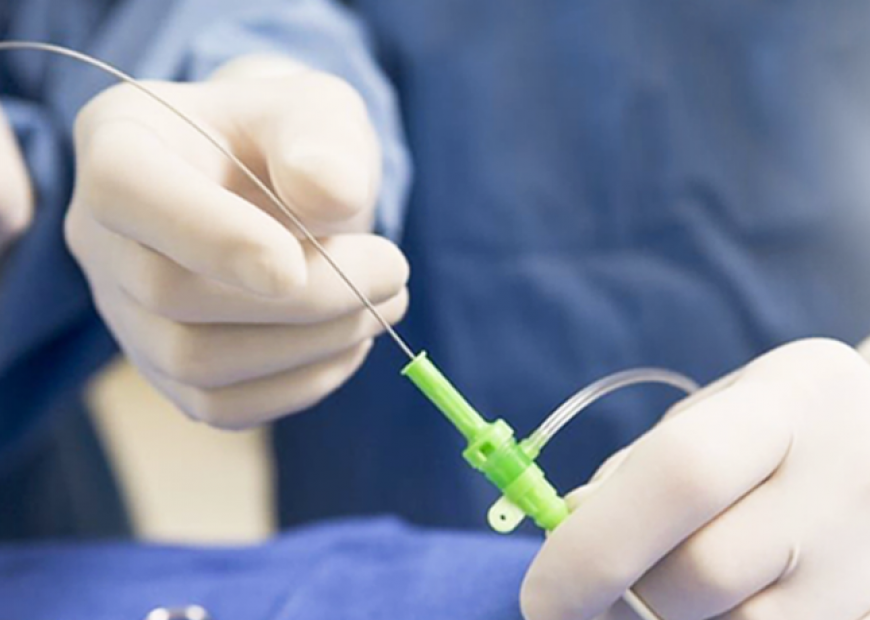
The human heart operates continuously, providing essential sustenance to the body. However, when narrowed arteries disrupt their function, the risk of heart attack and other serious complications increases. Angioplasty, a minimally invasive yet potentially life-saving procedure, addresses this critical issue. At St. Luke's Medical Center, we facilitate a seamless, safe, and highly effective angioplasty process that restores blood flow and enhances quality of life.
What is Coronary Angioplasty?
Coronary Angioplasty, also known as percutaneous coronary intervention (PCI), is a medical procedure aimed at opening blocked or narrowed coronary arteries. This is achieved by employing a small balloon that, when inflated, compresses the plaque against the arterial walls, thus creating additional space for blood flow. Often, a small mesh tube known as a stent is positioned to maintain the artery's patency and mitigate the likelihood of future blockages.
Coronary Angioplasty transcends being merely a medical procedure; it represents a second chance at life. Whether utilized as an emergency intervention for heart attacks or as a planned treatment for coronary artery disease (CAD), angioplasty offers rapid relief from chest pain, enhances cardiac function, and aids in the prevention of future cardiac events. In a society where heart health is frequently neglected until it is critical, angioplasty functions as a potent intervention to sustain cardiovascular well-being.
What Conditions Does Angioplasty Treat?
Angioplasty addresses atherosclerosis—a buildup of plaque comprised of fats and cholesterol—within various arterial locations throughout the body.
-
Coronary Artery Disease (CAD): PCI can alleviate issues related to a narrowed or obstructed coronary artery, which impedes the heart's access to necessary oxygen, resulting in chest pain (angina) or heart attacks.
-
Peripheral Artery Disease (PAD): Angioplasty treats atherosclerosis in the major arteries of the legs, arms, and pelvis.
-
Carotid Artery Disease: This procedure can assist with blockages in the neck arteries, which, if unaddressed, may precipitate a stroke due to inadequate oxygen supply to the brain.
-
Chronic Kidney Disease (CKD): Plaque accumulation in the renal arteries can hinder oxygen delivery to the kidneys. In certain cases, renal artery angioplasty may prove beneficial.
Risks and Benefits of Angioplasty
Benefits:
- Reduced risk and lower costs compared to open-heart surgery.
- Minimally invasive—only a small incision for catheter insertion.
- Immediate symptom relief and quick recovery time.
- Stent placement, if necessary, ensures long-term artery openness.
Potential Risks:
-
Bleeding at the catheter insertion site.
-
Blood clots or stent-related complications.
-
Rare chances of artery re-narrowing (restenosis).
Why Choose St. Luke's Medical Center for Coronary Angioplasty?
At St. Luke's Medical Center, we are dedicated to providing world-class cardiovascular care. Here’s why patients trust us:
-
Expertise You Can Trust – Our interventional cardiologists possess extensive experience and utilize cutting-edge technology to perform successful angioplasties.
-
Advanced Imaging for Precision – We employ state-of-the-art fluoroscopy and coronary angiography to identify blockages accurately, ensuring optimal outcomes with minimal risk.
-
Minimally Invasive, Maximum Benefits – Unlike traditional open-heart surgery, angioplasty involves smaller incisions, leading to less pain, faster recovery, and shorter hospital stays.
-
Personalized Care at Every Stage – Our dedicated team provides tailored treatment plans, heart-healthy lifestyle guidance, and continuous monitoring.
What to Expect Before, During, and After Angioplasty
Before the Procedure:
-
Patients undergo a comprehensive heart assessment.
-
Specific preparation instructions are provided.
During the Procedure:
-
A catheter equipped with a small balloon is inserted through a minor incision.
-
The balloon is inflated to restore blood flow, and if needed, a stent is placed to keep the artery open.
Recovery and Aftercare:
-
Observation period in the hospital for a few hours or overnight.
-
Guidance on medications, heart-healthy diet, and lifestyle modifications to prevent future heart issues.
Take Control of Your Heart Health Today
Despite heart disease being a leading cause of morbidity, advancements such as angioplasty empower individuals to regain control over their cardiovascular health. If you or someone you know is experiencing symptoms such as chest pain, shortness of breath, or fatigue, it is essential to consult our cardiovascular experts at St. Luke's Medical Center.
Your heart performs diligently for you—let us assist in keeping it strong.
Schedule a consultation today!


